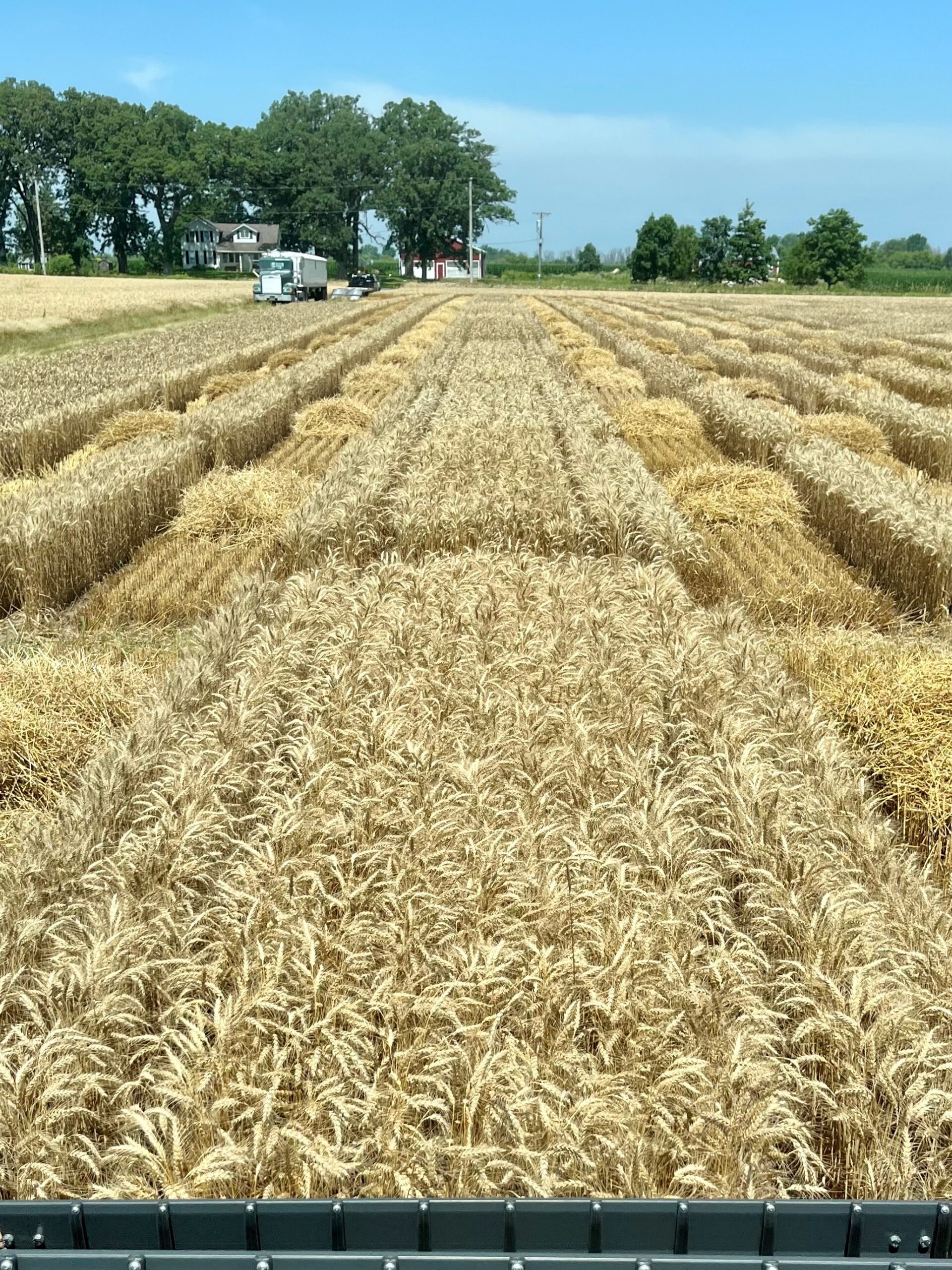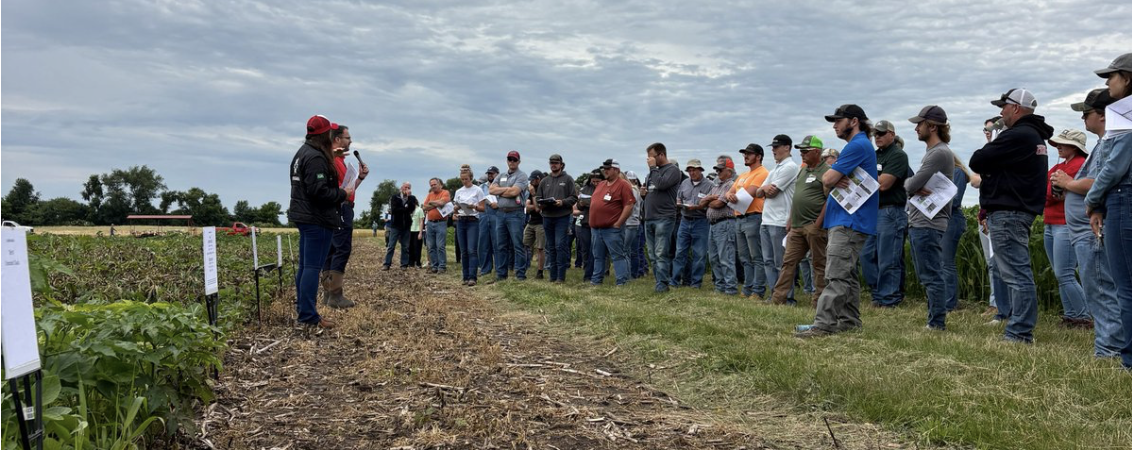
The 2026 Wisconsin Soybean Performance Trials featured a diverse range of entries submitted by seed companies, private breeders, and university researchers. These included both commercially available and experimental varieties, with additional cultivars added for comparison. Trials were conducted using conventional, reduced tillage, or no-till practices, planted at a rate of 160,000 seeds per acre in 15-inch rows.
Wisconsin experienced notable climate fluctuations and several record-breaking weather events that deviated significantly from long-term historical average. Wisconsin recorded its wettest April on record since data collection began in 1895, averaging 6.53 inches of rainfall statewide (more than double the monthly average). Temperatures were 1°F to 6°F warmer than normal ranking among the top 10 warmest Aprils for southern Wisconsin and the state suffered an unprecedented spike in spring severe weather outbreaks. In May conditions abruptly shifted to dry. Precipitation dropped to less than half of normal levels across most of the state. June and July brought hot and humid spells alongside highly variable rainfall. High heat and dew points pushed heat indices over 100°F in July. While precipitation in southwest and central Wisconsin reached 150% to 200% of normal, areas in east-central and northwestern Wisconsin saw below-average rain, leading to pockets of moderate drought and abnormal dryness. August and September finished warm and exceptionally wet for western and southern parts of the state. September 2026 finished almost 2°F to 3°F warmer than normal overall primarily driven by abnormally mild nighttime low temperatures rather than daytime highs. Storms brought heavy rainfall where regional stations in western Wisconsin logged over 7 inches of rainfall (more than 3 inches above average), ranking as one of the wettest Septembers on record locally.
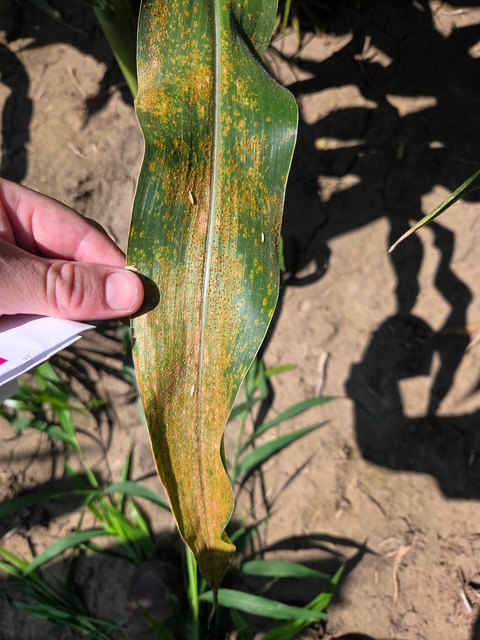
Diverse climatic conditions led to seed quality concerns across the state of Wisconsin. More information on these conditions can be found on the the below linked resources.
Performance was evaluated based on yield, lodging, maturity, and seed composition. Yields were measured in bushels per acre at 13% moisture, while lodging scores reflected plant erectness at maturity. Maturity was determined by pod color or frost occurrence, and grain composition, specifically protein and oil content, was measured using SCiO NIR sensors mounted on combines. This new approach enhances transparency and helps growers make informed decisions by considering both yield and nutritional value.
I do not expect a state record yield number, but given the increased number of acres and above trend yield I do expect record production for the state.
Performance trial data in both PDF (coming soon) and Excel formats for 2026 and earlier can be found here: Soybean Variety Trial Results