Disease Issues to Watch for in Silage Corn
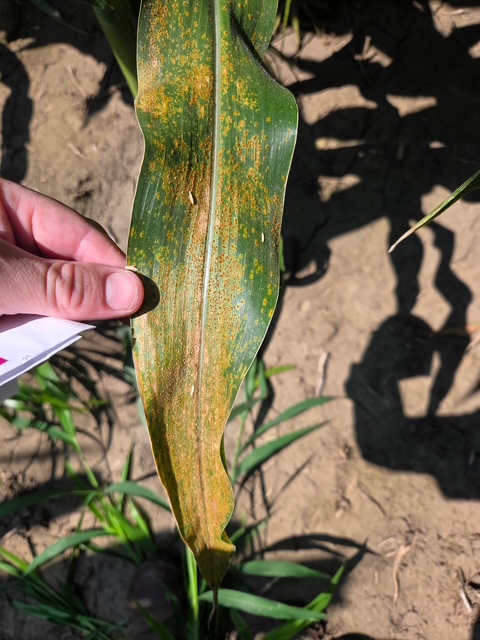
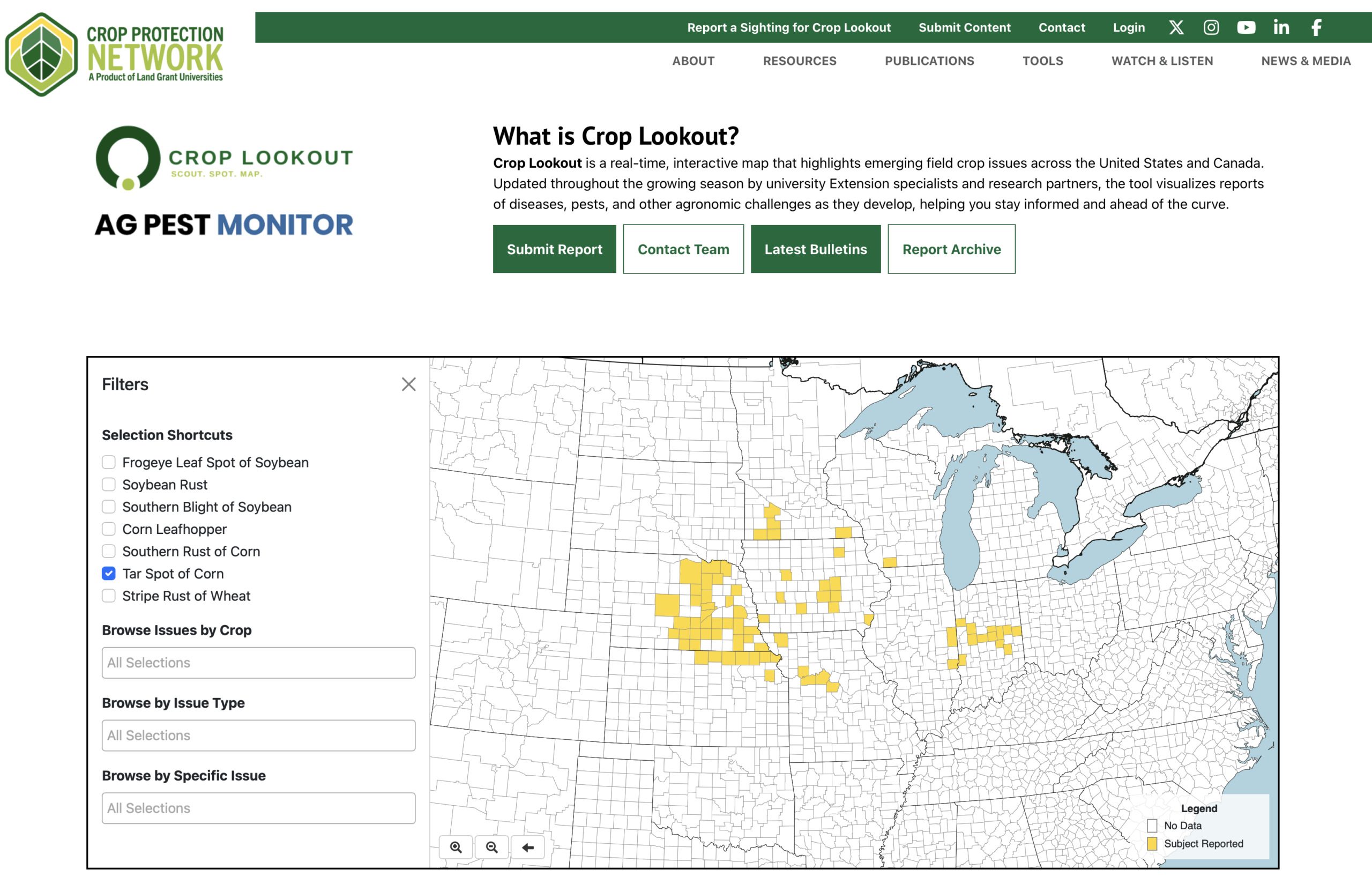
Several leaf diseases are showing up in Wisconsin corn this year, including southern rust, tar spot, gray leaf spot, and northern corn leaf blight. These diseases can reduce silage quality and may weaken corn stalks as plants pull energy from the stalk to fill grain. Weak stalks are more likely to lodge or fall over before harvest.
Leaf diseases can also affect whole-plant moisture levels, making it harder to harvest silage at the ideal moisture. When silage is harvested too dry or too wet, it may not pack well in the bunker or pile. Poor packing can slow fermentation and allow molds and other fungi to continue growing. Over time, this can increase the risk of mold and mycotoxin problems. See my previous article for more in depth information about this issue.
What to Do
- Scout fields now for disease severity.
- Prioritize heavily infected fields for harvest.
- Monitor whole-plant moisture closely to ensure timely chopping.
- Watch for stalk strength issues and lodging risk.
Southern Rust Update
The spread of southern rust has slowed during the past two weeks, largely because of cooler temperatures (Fig. 1). However, the disease has not stopped spreading, and fields should continue to be monitored.
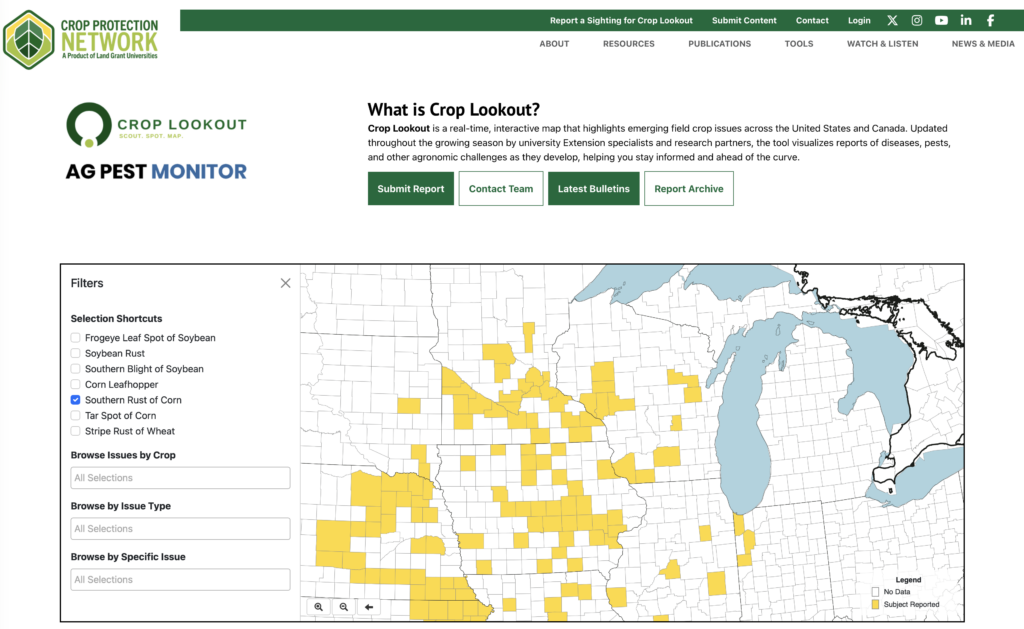
At this point in the season, fungicide applications are generally not recommended. Instead, focus on harvest planning. Fields with severe southern rust should be harvested before healthier fields to reduce losses from lodging and stalk breakdown.
What to Do
- Continue monitoring affected fields.
- Watch for stalk deterioration and lodging.
- Harvest heavily infected fields first.
Sudden Death Syndrome and Red Crown Rot in Soybeans
We have seen an increase in sudden death syndrome (SDS) in soybean fields this year. In fact, SDS appears to be more widespread than it has been during the past few seasons. While the cases brought to our attention so far have all been confirmed as SDS, growers should take a closer look at affected plants because another disease, red crown rot (RCR), can look very similar. Wisconsin reported its first case of RCR in 2025. Because the symptoms of SDS and RCR are so alike, it is important to carefully dig up plants and examine roots, stems, and crowns to determine which disease is present. Accurate diagnosis is critical because management decisions may differ.
The Crop Protection Network Publication An Overview of Sudden Death Syndrome provides an excellent comparison of SDS and other soybean diseases and can help identify key differences among them.
Why Is SDS More Common This Year?
Weather conditions this season likely favored SDS development. Wisconsin experienced one of its driest Mays on record, followed by an exceptionally wet June. SDS is favored by cool, wet soils shortly after planting. Under these conditions, the fungus infects roots and begins developing early in the season. The earlier the infection starts, the greater the potential impact on soybean yield. However, visible symptoms often do not appear until much later in the season, when toxins produced by the fungus move from the roots into the leaves.
What to Do
Unfortunately, there are no effective in-season treatments for SDS once symptoms appear. However, getting an accurate diagnosis now can help guide future management decisions, including variety selection and field planning. If you are unsure whether a field has SDS, RCR, or another issue, consider submitting a sample to the University of Wisconsin Plant Disease Diagnostic Clinic (PDDC) for confirmation.
Key Takeaways
- Scout corn fields now for leaf diseases and stalk strength issues.
- Harvest heavily diseased silage and grain fields first.
- Continue monitoring southern rust, even as cooler weather slows its spread.
- Expect to see more SDS symptoms in soybeans this season.
- Confirm soybean disease diagnoses before making future management decisions.
- Report any confirmed RCR field samples.
Submit samples to the PDDC when disease identification is uncertain.