Damon L. Smith Extension Field Crops Pathologist Department of Plant Pathology, University of Wisconsin–Madison
A new soybean disease has been confirmed in Wisconsin. In fall 2025, red crown rot (RCR) was identified in a Columbia County field, marking an important development for soybean production in the state.
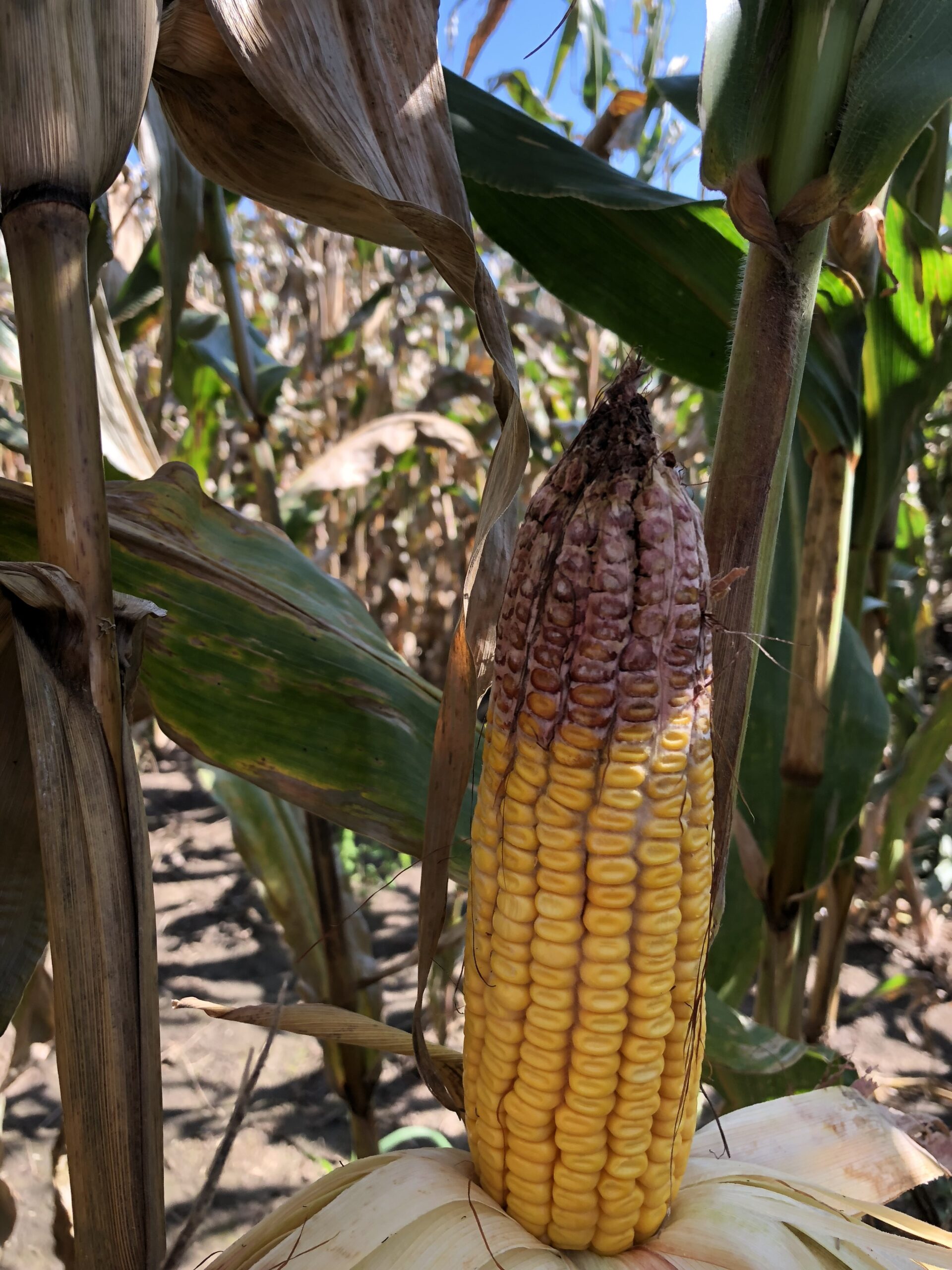
The affected area in Wisconsin was small (about a 10-foot diameter patch near the field edge; Fig. 1), but the pathogen was definitively confirmed after completing Koch’s postulates in December 2025. This finding raises awareness about a disease that has historically been more common farther south but may now be moving into the Upper Midwest.

Figure 1. Red crown rot of soybeans in Wisconsin.
What is Red Crown Rot?
Red crown rot is a disease of soybean caused by the soilborne fungus Calonectria ilicicola (formerly Cylindrocladium parasiticum).
The fungus infects soybean roots and can lead to poor plant growth, premature death, and yield loss. Although soybean is a primary host, the pathogen also affects a wide range of other plants, including peanut, alfalfa, and several woody species, indicating its ability to persist in diverse cropping systems.
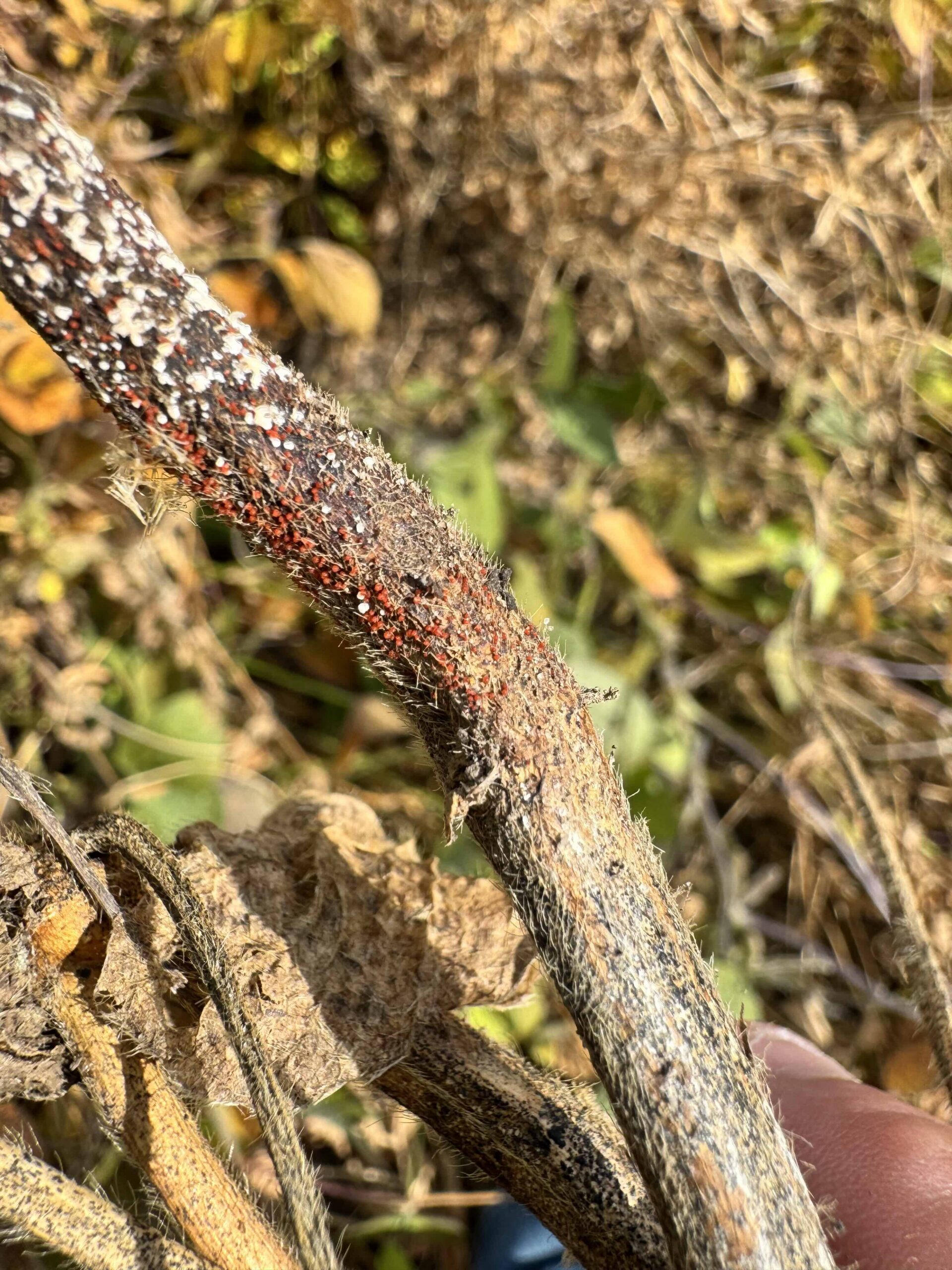
Figure 1. Red perithecia of the red crown rot fungus.
Why This Matters for Wisconsin
Historically, red crown rot has been concentrated in the southern U.S., but recent observations show expansion northward and into the Midwest. The Wisconsin detection, though currently isolated, suggests the pathogen may already be present at low levels.
Because RCR survives in soil as microsclerotia (small, durable survival structures), it can persist for several years once introduced into a field. This makes early identification and management especially important.
Disease Development and Favorable Conditions
Red crown rot infections begin in the roots, often early in the season shortly after germination. Early infections tend to result in the most severe symptoms.
The disease is favored by:
- Warm soil temperatures (77–86°F)
- Soil conditions that support root infection early in plant development
Symptoms in the field may resemble other soybean diseases such as sudden death syndrome, brown stem rot, or stem canker, making proper diagnosis critical. The most diagnostic sign of the disease is the presence of brick red perithecia (pimple-like structures) near the base of the plant, near the soil (Fig. 2).
Yield Impact
Research shows that infected plants can have substantial reductions in yield components, including:
- Fewer pods
- Fewer seeds
- Reduced total seed weight
In symptomatic plants, total seed weight can be dramatically lower compared to healthy plants, underscoring the economic importance of this disease.
What You Should Do Now
While red crown rot has only been confirmed in a limited area of Wisconsin, it’s important to stay vigilant:
- Scout and Confirm
If you suspect red crown rot, submit samples to the University of Wisconsin-Madison Plant Disease Diagnostic Clinic. Accurate diagnosis is key, especially since symptoms can mimic other diseases.
- Rotate Crops
If RCR is confirmed, rotate to a non-host crop the following year to help reduce pathogen levels in the soil. Avoid alfalfa as a rotation crop as it is also a host.
- Consider Seed Treatments
Some fungicide seed treatments with activity on red crown rot (such as products containing active ingredients like those in Saltro or Victrato) have shown promising results in research trials, including reductions in disease severity and improved yield.
- Reduce Spread
The pathogen can move with soil. Cleaning equipment before moving between fields can help prevent introducing it to new areas.
- Manage Stress
Maintaining overall plant health and reducing additional stresses can help limit disease impact.
Bottom Line
Red crown rot is now present in Wisconsin, at least at a small scale. While it is not yet widespread, its ability to persist in soil and reduce yield means it should be taken seriously.
Early detection, good sanitation practices, and proactive management will be essential to keeping this disease in check as we learn more about its distribution in the state.