
Skip to content

Welcome to Badger Crop Network! Today is: June 19, 2026

TRENDING NEWS :
Jun 15: “What’s on Your Seed?” A Trusted Resource—Now Updated and Interactive!
Jun 12: 2026 Rock County Farm WiscWeeds Integrated Weed Management Plot Tour (Friday, June 26)
Jun 8: Wisconsin Field Crop Disease Update – June 8, 2026
Jun 7: Stakeholder Perceptions of Mesotrione Use and Stewardship in Vyconic Soybean Technology
Jun 3: Dry Weather and Residual Herbicides: What Should Growers Expect?
May 26: Soybean Yield and the 2026 “Super” El Niño: What Growers Need to Know
May 23: Can Roasting High-Oleic Soybean Reduce Waterhemp Seed Viability?
May 22: Stripe Rust Found in Wisconsin in 2026
May 18: Wisconsin Field Crop Disease Update – May 18, 2026
May 7: What Non-Nodulating Soybeans Can Teach Us About Soil Nitrogen and Biological Nitrogen Fixation
Apr 30: Preplant Dicamba Ahead of Corn: Why the Labels Seem Confusing
Apr 20: Why Documented Risk Factors Should Guide Soybean Fungicide Seed Treatment Decisions
Apr 15: Planting Green Soybean Systems: Soil Residual Herbicide Performance in High-Biomass Cereal Rye
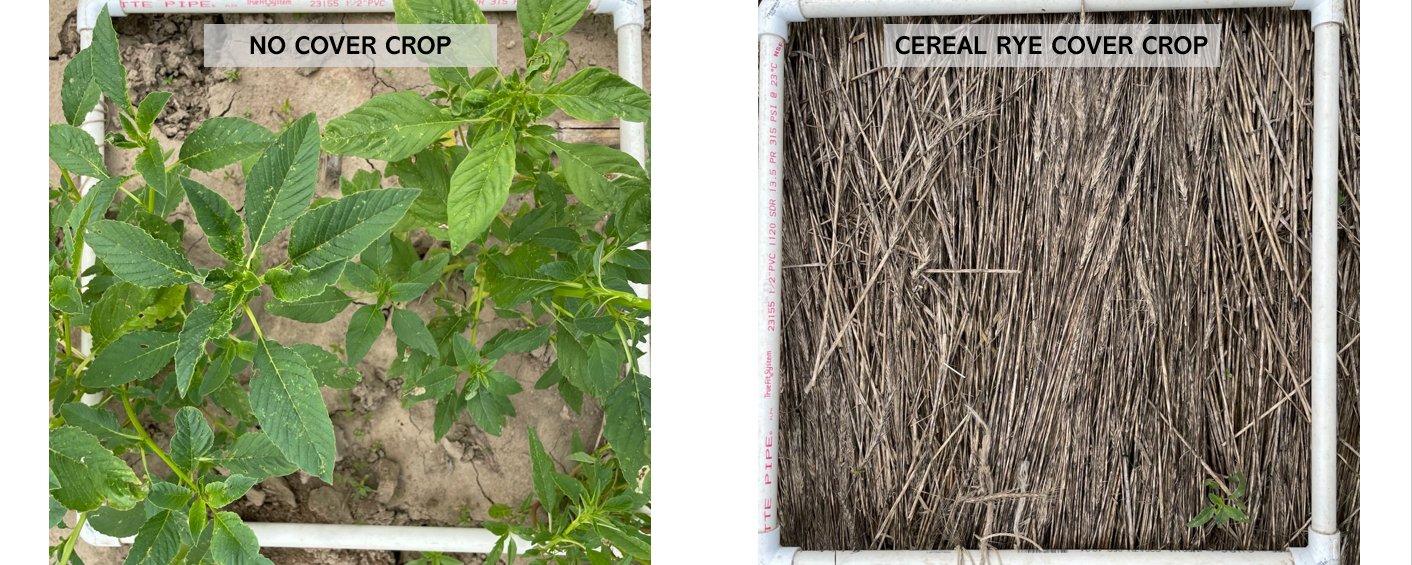
Apr 14: How much cereal rye cover crop biomass is needed to suppress troublesome weeds in Wisconsin?
Apr 1: Enter the 2026 Wisconsin Soybean Association Yield Contest
  • Home
  • News/Updates
    categories
    • Alfalfa
    • Corn
    • Soybean
    • Weeds
    • Wheat
    • All News
    popular posts
    • Figure 1. Change in soil test K between fall and spring soil sampling. Positive values indicate that soil test K increased in the spring while negative values indicate that soil test K decreased in the spring compared to fall. *Indicates value is significantly greater than zero (P

      Figure 1. Change in soil test K between fall and spring soil sampling. Positive values indicate that soil test K increased in the spring while negative values indicate that soil test K decreased in the spring compared to fall. *Indicates value is significantly greater than zero (P<0.05). Data from Vitko et al. 2008.

      Figure 1. Change in soil test K between fall and spring soil sampling. Positive values indicate that soil test K increased in the spring while negative values indicate that soil test K decreased in the spring compared to fall. *Indicates value is significantly greater than zero (P<0.05). Data from Vitko et al. 2008.

      The Seasonality of Soil Sampling: Understanding Variability in P and K Test Results
    • Screenshot 2026-01-16 at 8.36.00 AM

      2025 Weed Science Research Report Now Available!
    • Screenshot 2026-01-16 at 8.36.00 AM

      NEW! Video Bringing Integrated Pest Management into NRCS Conservation Efforts
    • Alfalfa
    • Corn
    • Corn Disease
    • Soybean
    • Soybean Disease
    • Weed Control
    • Wheat
  • Research
    By Crop
    • Alfalfa
    • Corn
    • Soybeans
    • Small Grains
    • Weed Control
    Other Research
    • Boots on the Ground
    • Diseases & Mgmt
    • Fact Sheets
    • Fungicide Information
    • Fungicide Test Summaries
    • SCN Testing Program
    • Soybean Diseases & Mgmt
    • Soybean Yield Contest
    • Soybean Variety Trial Results
    • Wheat Variety Trial Results
    2024 Corn Performance Trial
    2024 Fungicide Test Summery
    2024 Soybean Variety Trial
    2024 Weed Control Trial
    • Research by Crop
      • Alfalfa
      • Corn
      • Small Grains
      • Soybeans
    • Boots on the Ground
    • Diseases & Management
    • Fact Sheets
    • Fungicides Information
    • Fungicide Test Summaries
    • SCN Testing Program
    • Soybean Yield Contest
    • Soybean Variety Trials
    • Weed Control Trials
  • Resources
    • CPN Forecasting Tool
    • Crop Protection Network
    • Industry Links
    • Science for Success
    • Soybean Growth Guide
    • Soybean Nutrient Calculator
    • Wheat Growth Guide
    • WI Disease Forecasting Tool
  • About
    • Badger Crop Doc
    • Cool Bean
    • WiscBadgerCorn
    • WiscWeeds
    • Site Contributors
      • About Damon L. Smith
      • About Harkirat Kaur
      • About Rodrigo Werle
      • About Shawn Conley
  • Contact

shawnconley

Coolbean WiscWeeds Weed Control BadgerCropDoc Soybean Corn Wheat Soybean Disease Corn Disease Wheat Disease Uncategorized WiscBadgerCorn Alfalfa Fertility Corn Silage
  • Coolbean

    Winners of the 2018 WI Soybean Yield Contest are Announced

    Published On: January 31, 2019|
  • Coolbean

    Finalists for the 2018 WI Soybean Yield Contest are Announced

    Published On: December 21, 2018|
  • Coolbean

    Crappy Prices Followed by Crappy Harvest Weather…These Beans Better Not Sprout Too!

    Published On: October 2, 2018|
  • Coolbean

    Drought Stricken Soybeans..Should I Leave Them or Take Them for Forage?

    Published On: August 22, 2018|
  • Coolbean

    I swear to tell the truth, the whole truth and nothing but the truth

    Published On: June 21, 2018|
  • Coolbean

    The Soybean Flowering – Summer Solstice Fallacy

    Published On: June 3, 2018|
  • Coolbean

    Variable Germination and Emergence in Soybean: Which Seeds Are Still Viable?

    Published On: May 31, 2018|
  • Coolbean

    The WSMB Free Soybean Cyst Nematode Testing Program is Back in 2018!

    Published On: March 16, 2018|
  • Coolbean

    Wisconsin Industrial Hemp Production: A basic FAQ guide for growing an old crop in a new era

    Published On: February 7, 2018|
  • Coolbean

    Winners of the 2017 WI Soybean Contest are Announced

    Published On: February 1, 2018|
  • Coolbean

    Best Management Practices for Growing Second or Third Year Soybeans

    Published On: January 22, 2018|
  • Coolbean

    Finalists for the 2017 WI Soybean Yield Contest are Announced

    Published On: January 15, 2018|
Previous678Next

Powered by UW-Extension – Advancing Corn & Soybean Outreach in Wisconsin and Beyond

© 2026 • Badger Crop Network • All Rights Reserved
Non-discrimination statement & How to File a Complaint
Page load link

Press “ESC” key to close

main menu
  • Home
  • News/Updates
    • Alfalfa
    • Corn
    • Corn Disease
    • Soybean
    • Soybean Disease
    • Weed Control
    • Wheat
  • Research
    • Research by Crop
      • Alfalfa
      • Corn
      • Small Grains
      • Soybeans
    • Boots on the Ground
    • Diseases & Management
    • Fact Sheets
    • Fungicides Information
    • Fungicide Test Summaries
    • SCN Testing Program
    • Soybean Yield Contest
    • Soybean Variety Trials
    • Weed Control Trials
  • Resources
    • CPN Forecasting Tool
    • Crop Protection Network
    • Industry Links
    • Science for Success
    • Soybean Growth Guide
    • Soybean Nutrient Calculator
    • Wheat Growth Guide
    • WI Disease Forecasting Tool
  • About
    • Badger Crop Doc
    • Cool Bean
    • WiscBadgerCorn
    • WiscWeeds
    • Site Contributors
      • About Damon L. Smith
      • About Harkirat Kaur
      • About Rodrigo Werle
      • About Shawn Conley
  • Contact
recent posts
  • Conversations on Cover Crops with Pat Mullooly
    Categories: Uncategorized
  • Optimizing Foliar Herbicide Savings with Targeted Application Technologies through Effective PREs
    Categories: Weed Control, WiscWeeds
  • Determining high yielding corn relative maturities and growing season characteristics across the United States
    Categories: Uncategorized
get connected
Go to Top